
Dog protection fencing
More yard for the dog. Less worry for you.
A fence that works for a dog comes down to three things: height chosen for the dog’s size and jumping habits, a bottom edge and gate gaps that leave no easy way through, and a style that does not turn every passer-by into an event. Which one matters most depends on how your dog behaves in the yard. We talk through all three before anything is ordered.
 Pets
- Materials
- Wood, vinyl, chain-link, aluminum
- Starts with
- How your dog behaves
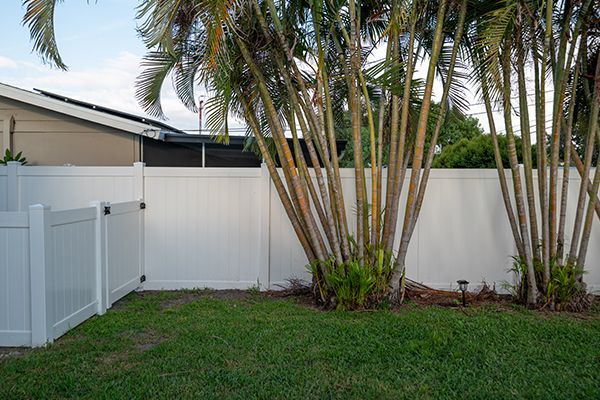
A recent St. Petersburg project. Height, style and layout are confirmed for your property.
Every dog tests a fence differently. Some jump, some dig, some patrol the fence line, and some react to anything they can see through it. The design starts with which of those sounds like your dog.
- A dog that clears a low fence or climbs
- A dog that digs or squeezes under a gate
- A dog that reacts to the street
- A yard that stays usable day to day
- No fence guarantees containment of a determined dog
- Training and supervision still do part of the work
- Height limits vary by lot, HOA and local rules
- Gate hardware and latch choice matter as much as the panels
Start with how your dog behaves
Two dogs of the same size can need different fences. A dog that jumps will test height; a digger will test the bottom edge; a dog that patrols the fence line will test both, plus every gap at a gate. The first conversation is about those habits, not about a catalogue.
Bring what you already know: how high the dog clears, whether it digs, where it focuses along the fence, and what it does when someone walks past. Those answers narrow the material, the height and the layout before a single post is set.
Height: match the fence to the dog
Height is the first thing people ask about, and a number from a breed chart is the least useful answer. Size matters, but jumping ability, take-off footing and whether the dog climbs matter just as much. A fence that is tall enough but poorly set is still an invitation.
We discuss realistic heights for your dog and your property, then check what the lot, the HOA and local rules allow. Sometimes the answer is a taller fence; sometimes it is a different style, a different gate position, or closing the take-off point the dog already uses.
Gaps and the bottom line
Small dogs and diggers make the bottom edge the deciding detail. A fence that looks solid from the street can still have a gap under a gate, a dip where the grade changes, or a picket spacing a determined dog can work. Those are layout problems before they are material problems.
During the review we walk the gate openings, corners and grade changes, and plan the bottom edge so there is no obvious route out. A determined digger may still need additional measures; the fence is the barrier, not a guarantee. If a gate or a section has already failed, fence repair can be the better first step than a full replacement.
Sight and barking
Solid styles block the view of the street, which can reduce the visual triggers that set off some dogs. Open styles keep the yard airy and let the dog see what is happening, which suits others better. Neither is universally quieter: a dog that cannot see may react to sound instead.
The useful question is what your dog does now — stare, patrol, charge the fence, or ignore the street. That answer points to solid versus open, and to where the fence line sits relative to the dog’s usual path.
Materials for a dog yard
Each of the four materials below can work for a dog. The differences show up in how solid the fence feels, how much upkeep it needs, and how the bottom edge and gates are detailed.
Wood
Wood fencing gives solid privacy and a classic look, and damaged sections can be repaired. It also needs staining and sealing, and a dog that digs or chews can wear the bottom edge faster than other materials.
Vinyl
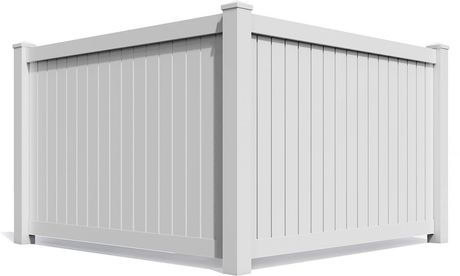
Vinyl fencing gives a clean, solid screen with no paint or stain. Panels are rigid, so grade changes and gate alignment need to be planned before the layout is set.
Chain link
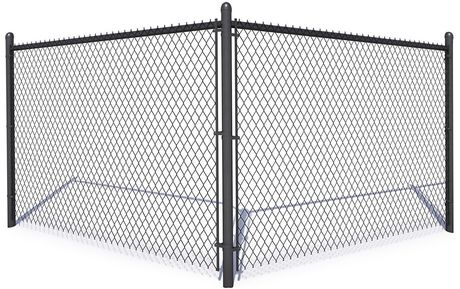
Chain link is an open barrier with see-through visibility and minimal upkeep. It does not block the street view, and the bottom edge and tension are the details to discuss for a dog that pushes or digs.
Aluminum
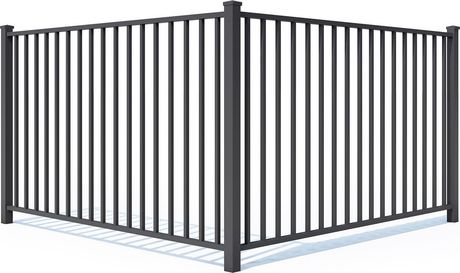
Aluminum fencing has a slimmer, ornamental look with open sightlines. It suits front yards and pool areas; picket spacing and the bottom rail are what matter for a dog.
What a fence can and cannot promise
A fence is the barrier that makes containment possible, but no fence guarantees that a determined dog will not get out. Dogs jump, dig, push gates, and learn routines. A gate left open defeats the best layout.
Training and supervision still matter. The fence buys a safer boundary and a yard the dog can use; it does not replace the work of teaching a dog where the boundary is. We will be straight with you about what the layout can and cannot do. If you want to talk through the options, start with the planner or call the office.
Straight answers.
What height fence do I need for my dog?
It depends on the dog’s size, jumping and climbing habits, the yard, and what the lot, HOA and local rules allow. We discuss realistic heights during the review rather than working from a breed chart.
Can a fence stop a dog from digging out?
A well-planned bottom edge and tight gate gaps remove the easy routes, but a determined digger may still need additional measures. No fence guarantees containment of every dog.
Which fence material is best for dogs?
There is no single best material. Wood and vinyl give a solid screen; chain link and aluminum keep sightlines open. The right choice depends on the dog, the yard and how much upkeep you want.
Will a solid fence stop my dog from barking at the street?
It can reduce visual triggers, but it is not a training fix, and some dogs react more when they cannot see. We talk through the dog’s habits and the layout rather than promising quiet.
Do you install gates with self-closing hardware?
Gate hardware is planned with the gate. Self-closing and self-latching options can be discussed for the gate that needs them.
Often planned alongside this.
Compare other materials
All services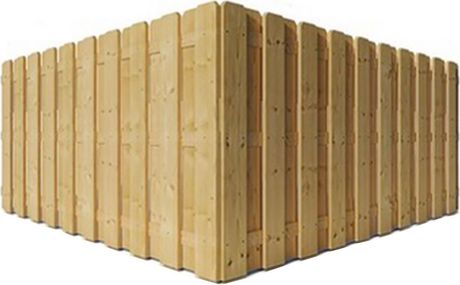
Ready to talk about a dog fence? We will walk the yard with you.
Tell us how the dog uses the yard, and we will narrow the height, layout and material from there.