A barrier is a system, not a fence
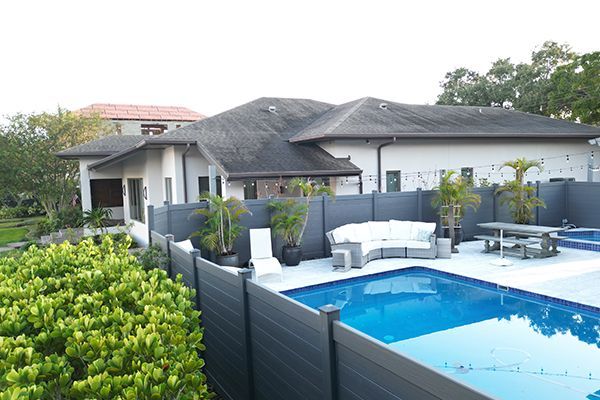
A pool inspection is not checking whether you bought a pool fence. It is checking whether the whole boundary — fence, gate, house wall, screen enclosure, and every gap between them — keeps a small child out of the water when nobody is watching.
That is why two fences that look identical can get different results. The difference is usually in the transitions: where the fence meets the house, where the gate lands, and what is stacked next to it.
Height and gaps
Florida pool barrier requirements set a minimum height and limit the size of openings in and under the barrier. The gap under a fence is as important as the gap between pickets, and both are measured rather than eyeballed.
The measurement is taken on the finished installation, not on the plan. A fence set on an uneven grade can lose height at the high side and gain a gap at the low side in the same run.
Gates and latches
A pool gate has to close and latch on its own, every time, from a standing start. That means self-closing hinges sized to the leaf, a latch that engages without a push, and posts that do not move when the gate swings.
The latch also has to be out of a small child’s reach, which affects handle height and style. This is where a gate chosen for looks alone tends to fail.
Climbable features
Inspectors look for anything that turns the barrier into a ladder: horizontal rails at the wrong height, nearby furniture, planter walls, pool equipment, tree limbs. The fence can be compliant and the yard still fail.
We walk the outside of the barrier for this reason, not just the pool side. Moving a bench is cheaper than rebuilding a fence.
What we confirm before ordering
We confirm the barrier rule that applies to the address, the height and spacing it requires, the gate hardware, and how the fence will tie into the house or enclosure. Then we measure the finished grade, because that is what the inspector will measure.
If your property is in a flood zone or has an existing non-compliant barrier, that is part of the conversation before anything is ordered.
If you already have a fence
Often the barrier can be brought up to standard without replacing the run: new self-closing hardware, a corrected gate landing, a raised section at the low corner, or removing a climbable feature.
We will tell you which of those your fence actually needs, and whether a repair is the honest answer.
- Inspections judge the whole boundary, including transitions and gaps.
- Height is measured on the finished grade, not the plan.
- Pool gates must self-close and self-latch, with hardware out of reach.
- Climbable features outside the fence can fail an otherwise compliant barrier.