Map the movements first
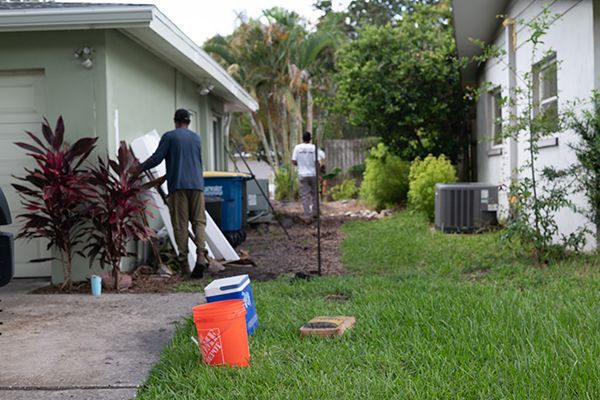
Before material, list every way something crosses the property line: staff arriving, deliveries backing in, customers walking from a car park, service vehicles reaching a compressor, trash collection, emergency access.
Each of those is an opening or a gate, and each one has a width. A fence plan that starts with panels instead of movements ends up with a gate nobody can use.
Separate public from service
Most commercial sites need two different treatments: frontage that represents the business, and a service yard that has to be secure and out of sight.
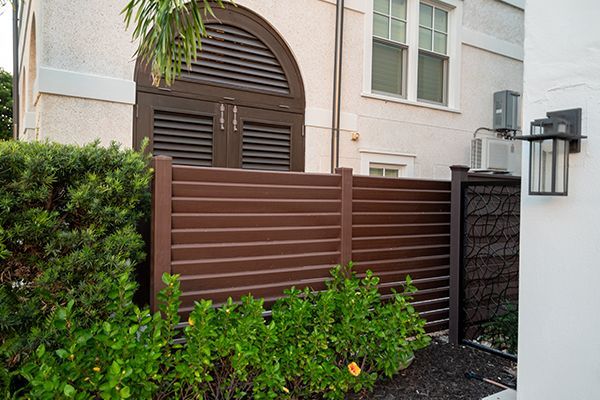
That usually means an ornamental or aluminum run at the street and a heavier, taller screen at the back. Planning them together keeps the site from looking assembled from leftovers.
Security that works after dark
Deterrence is a function of height, visibility and access control, not colour. Steel security fencing with tighter mesh and heavier posts is specified by the level of risk, and lighting and camera positions should be decided while the fence line is still a drawing.
A gate that is left open at night undoes all of it, which is why automated, monitored access belongs in the same scope.
Phasing without shutting down
Commercial work rarely gets an empty site. The realistic plan sequences the run so the business keeps operating: temporary barriers, sections completed outside peak hours, and gates replaced in a defined window.
That sequencing is part of the estimate, not a surprise on day one.
What to bring to the walk
A site plan if you have one, the vehicle types that need access, any lease or landlord constraints, and the security incidents that prompted the project. That last one is often the most useful.
We measure, photograph the constraints and put the access plan in writing before quoting.
The fence follows the plan
Once the movements, the security requirement and the phasing are clear, the material choice is usually obvious. Chain link for the service yard, aluminum for the frontage, steel for the risk, automation for the gate that gets used forty times a day.
That is the order we work in, and it is why the estimate starts with questions rather than a catalogue.
- Start with every movement across the property line, not with material.
- Frontage and service yard usually need different treatments.
- Security is height, visibility and access control, not colour.
- Phasing and temporary barriers belong in the estimate.